Home

Galleries

Movie Summaries

Radio Shows

News

Links

Email

Dr. Macro's
High
Quality
Movie Scans

Privacy Statement Visitor Agreement

Greer Garson


PRIDE AND PREJUDICE


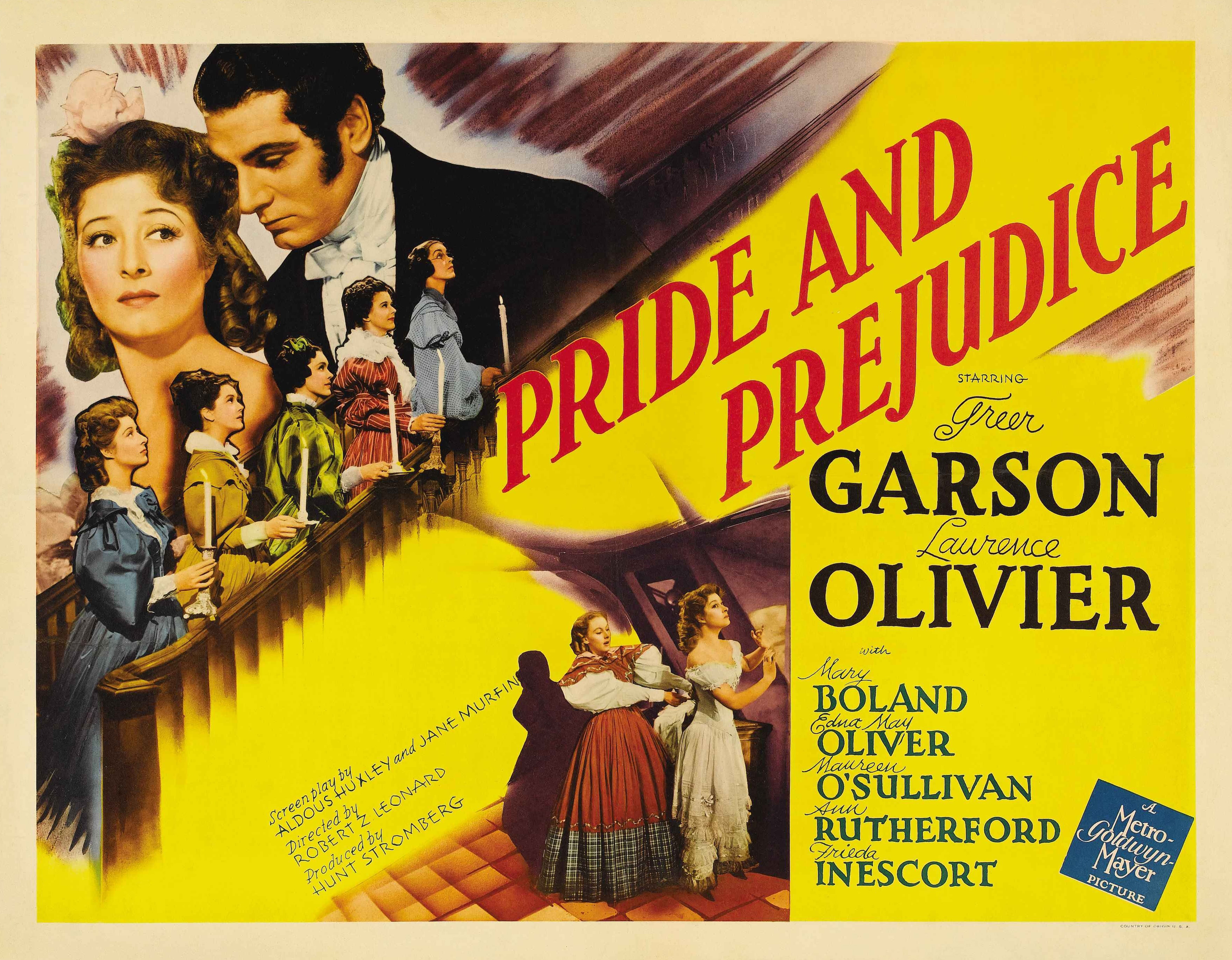
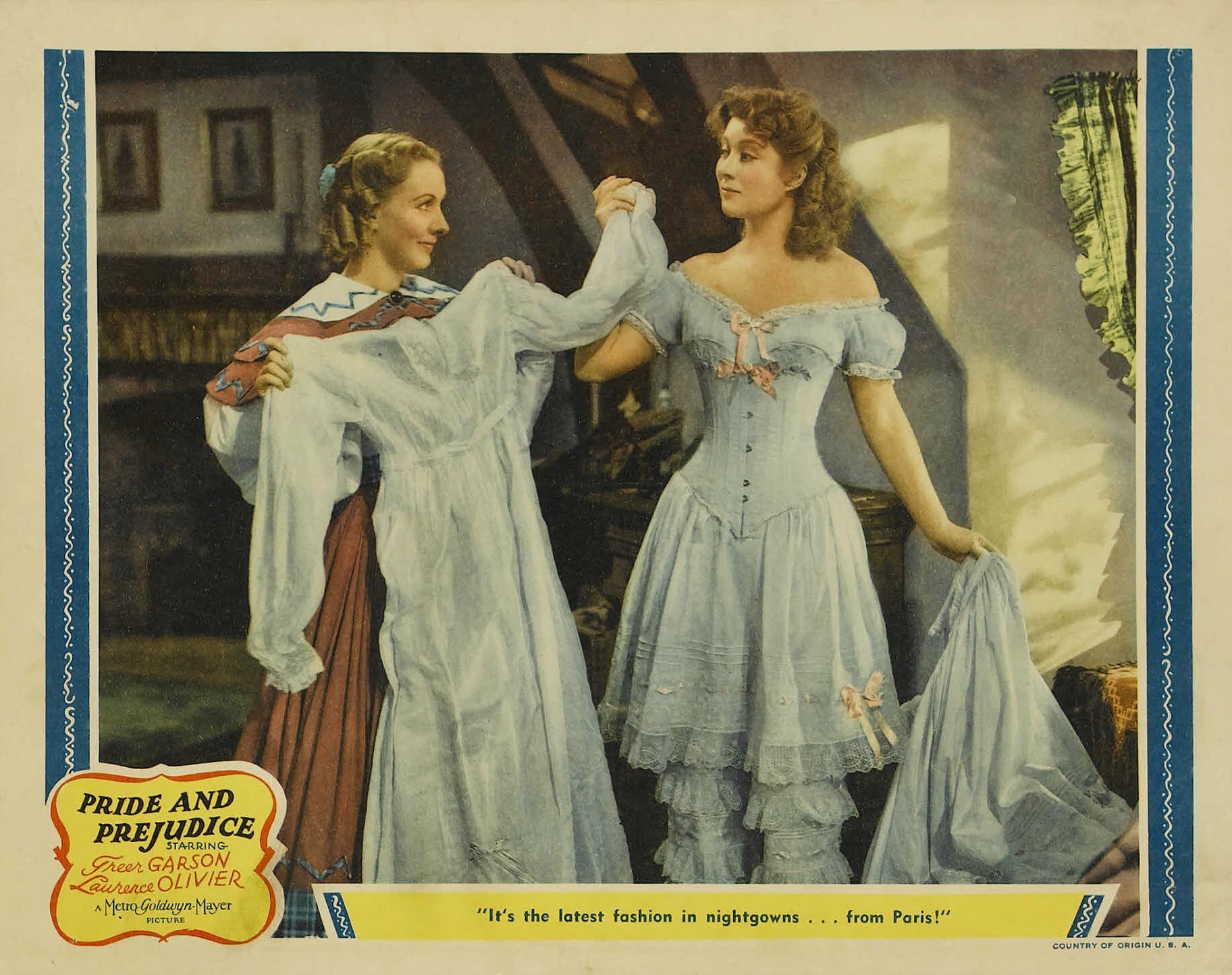
MGM, 1940.  Directed by Robert Z. Leonard.  Camera:  Karl Freund.  With Laurence Olivier, Greer Garson, Mary Boland, Edna May Oliver, Maureen O'Sullivan, Ann Rutherford, Frieda Inescort, Edmund Gwenn, Karen Morley, Heather Angel, Marsha Hunt, Bruce Lester, Edward Ashley, Melville Cooper, Marten Lamont, E.E. Clive, May Beatty, Marjorie Wood, Gia Kent, Louis Payne, Gerald Oliver-Smith, Hugh Greenwood, Vernon Downing, Claud Allister, Buster Slaven, Elspeth Dudgeon, Wilson Benge, Gwendolen Logan, Barlowe Borland, Art Beery, Sr., Frank Elliott, Lowden Adams, Wyndham Standing, Ben Hall, David Thursby, Clara Reid.


Click for larger image


In the rural village of Meryton in early eighteenth century England, the arrival of Mr. Charles Bingley, his sister Caroline and Mr. Darcy causes quite a stir among the mothers of unmarried daughters because both gentlemen are wealthy bachelors.  Among the most enthusiastic is Mrs. Bennet, who has five eligible daughters and stands to lose Longburn, the family farm, to her husband's cousin Collins unless a male heir is produced.  However, Mrs. Bennet's eldest daughter Elizabeth, a witty and independent young woman, is somewhat less impressed upon meeting Mr. Darcy, whom she finds arrogant and supercilious as he voices his prejudice against the middle class.

On the other hand, Elizabeth's sister Jane is enchanted by Charles, who begins to court her, much to the disapproval of Caroline and Mr. Darcy.  Elizabeth's dislike of Darcy is intensified when George Wickham, a boyhood friend of Darcy's, confides that his old friend has betrayed him.  Elizabeth's opinion of the Bingleys and Darcy seems justified when Charles breaks Jane's heart by leaving for London without an explanation.

Elizabeth meets Darcy again when she goes to visit her friend Charlotte, who has just married Mr. Collins, an employee of Darcy's aunt, Lady Catherine de Bourgh.  At dinner that night, Darcy confides to Elizabeth that he has fallen in love with her and wants to marry her, but couches the proposal in condescending terms towards her family, and so Elizabeth refuses him.

She returns home to find that her sister Lydia has run off with Wickham and the family is in disgrace.  Hearing of the incident, Darcy offers to help, and confides in Elizabeth that Wickham betrayed his sister years earlier.  Darcy's vulnerability forces Elizabeth to realize that she has fallen in love with him, but her pride prevents her from telling him.  Just as the Bennets are about to leave town, Lydia returns with news that she and Wickham are married, thus restoring the family honor.

As the family rejoices, Lady Catherine appears and, after ordering Elizabeth never to see Darcy again, informs her that Darcy has paid Wickham to marry Lydia.  Catherine's interrogation clarifies Elizabeth's love for Darcy, and he returns to her just as Charles returns to Jane, and all ends happily.

Notes
The film is based on the novel Pride and Prejudice by Jane Austen (London, 1813), and the play of the same name by Helen Jerome (New York, November 5, 1935).

Hallmark Playhouse
(7/8/1948)
   

Unknown Players


According to a 1936 DV news item, production on MGM's Pride and Prejudice was initially scheduled to begin in October 1936 under Irving G. Thalberg's supervision, with Clark Gable and Norma Shearer in the leading roles.  Following the death of Thalberg on September 13, 1936, pre-production activity on the film appears to have been halted.  Trade paper reports of the production's progress resumed in mid-1937, when HR announced that Shearer wanted MGM to borrow Errol Flynn from Warner Bros. to co-star with her.  In August 1939, HR announced that George Cukor would direct Robert Donat opposite Shearer, and that MGM was considering making the film in England.  The start of the war in Europe in September 1939 soon caused the closure of MGM's operations in England, however.  Cukor, according to HR, was replaced by Robert Z. Leonard because of a scheduling conflict with his assignment on Susan and God.

A biography of Laurence Olivier notes that MGM considered pairing Vivien Leigh and Clark Gable for the leading roles, based on their success in Gone With the Wind, and discussed the idea with producer David O. Selznick.  Gable, however, turned down the role of Darcy because, modern sources note, he felt that he was not suited to the part.  Olivier's biography also indicates that MGM picked Robert Taylor as its next choice, but Taylor was unavailable after being cast in Waterloo Bridge.  According to his autobiography, Olivier accepted the lead role in Pride and Prejudice with the understanding that Leigh was to be his co-star and that George Cukor would direct.  Leigh wanted the part and tried to convince Cukor to keep her in the film, but the studio decided to have her co-star with Taylor in Waterloo Bridge.

An Olivier biography claims that the decision to replace Leigh was made by MGM studio head Louis B. Mayer, who was allegedly advised by Selznick to pull her from the film fearing that her affair with Olivier, who was married to Jill Esmond at the time, would generate unwanted publicity and harm the film's commercial success.  Olivier and Leigh were married in 1940 after divorcing their respective spouses.  In his autobiography, Olivier is quoted as saying "I was very unhappy with the picture.  It was difficult to make Darcy into anything more than an unattractive-looking prig, and darling Greer seemed to me all wrong as Elizabeth."

NBC Univ. Theater
(2/20/1949)
   

Angela Lansbury


Studio One
(8/12/1947)
   

Ann Burr, Everett Sloane


Although HR production charts list actors Halliwell Hobbes and Jane Drummond in the cast, their appearance in the released film has not been determined.  MGM took several liberties with Jane Austen's novel, among them moving the time period of the story forty years ahead.  According to modern sources, this was done in order to allow for more ornate costumes.  Pride and Prejudice won an Academy Award for Best Black and White Art Direction.  The first dramatization of the Austen novel opened in London on March 24, 1922 and starred Mary Jerrold, Joyce Carey and Ben Webster.

Many subsequent stage adaptations of the novel have been produced, including one directed by Robert Sinclair that opened in New York on November 5, 1935 and starred Adrienne Allen and Colin Keith-Johnson, and one entitled First Impressions (Austen's original title for Pride and Prejudice), directed by Abe Burrows, which opened in New York on March 19, 1959 with Polly Bergen and Farley Granger starring.  Although HR reported in October 1947 that MGM producer Arthur Freed was preparing a musical version of the film, that film was never produced.

There have been many film and television adaptations of Pride and Prejudice, among them a January 23, 1949 NBC television network broadcast of a Philco Playhouse dramatization starring Madge Evans and John Baragrey; a PBS network five-part Masterpiece Theater series of Fay Weldon's adaptation of Austen's novel which aired its first episode on a October 23, 1980 and starred Elizabeth Garvie and David Rintoul; a 1995 A&E Television Networks Inc. and BBC mini-series starring Colin Firth and Jennifer Ehle and directed by Simon Langton; an Indian film titled Bride and Prejudice, directed by Gurinder Chadha and starring Aishwarya Rai and Martin Henderson was released in 2004.  Another adaptation starring Keira Knightley and Matthew Macfadyen and directed by Joe Wright was released in 2005.

American Film Institute Catalog


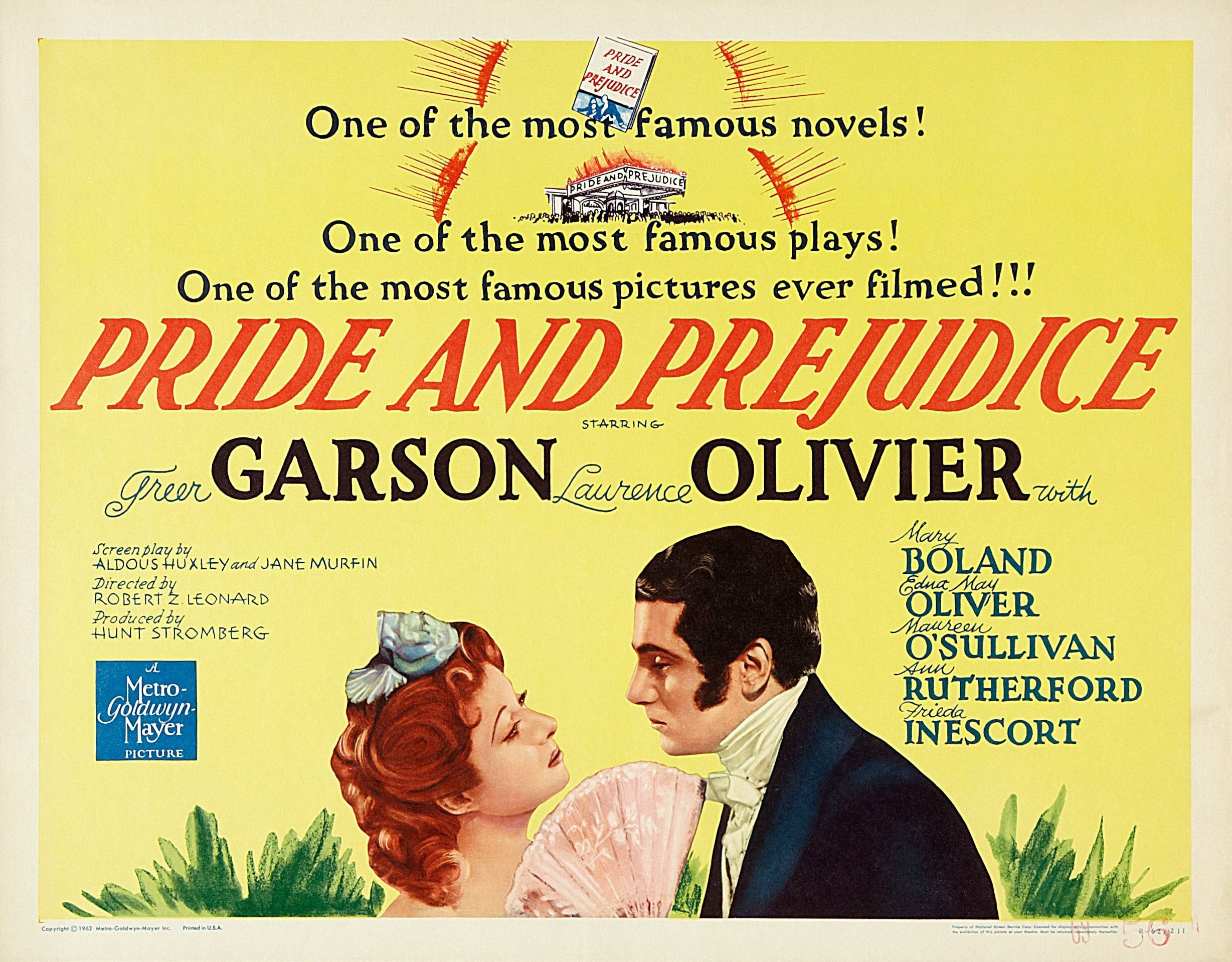
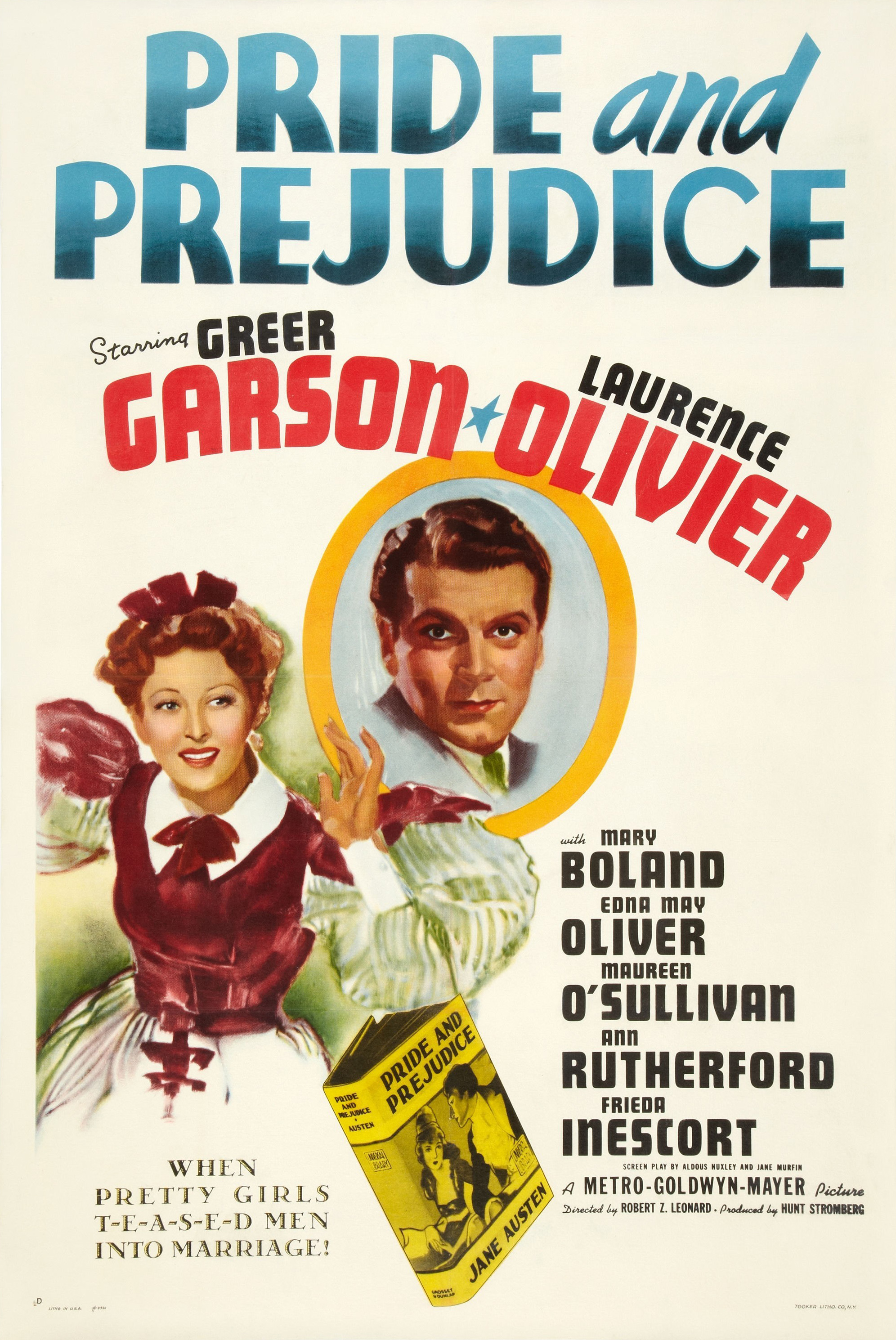
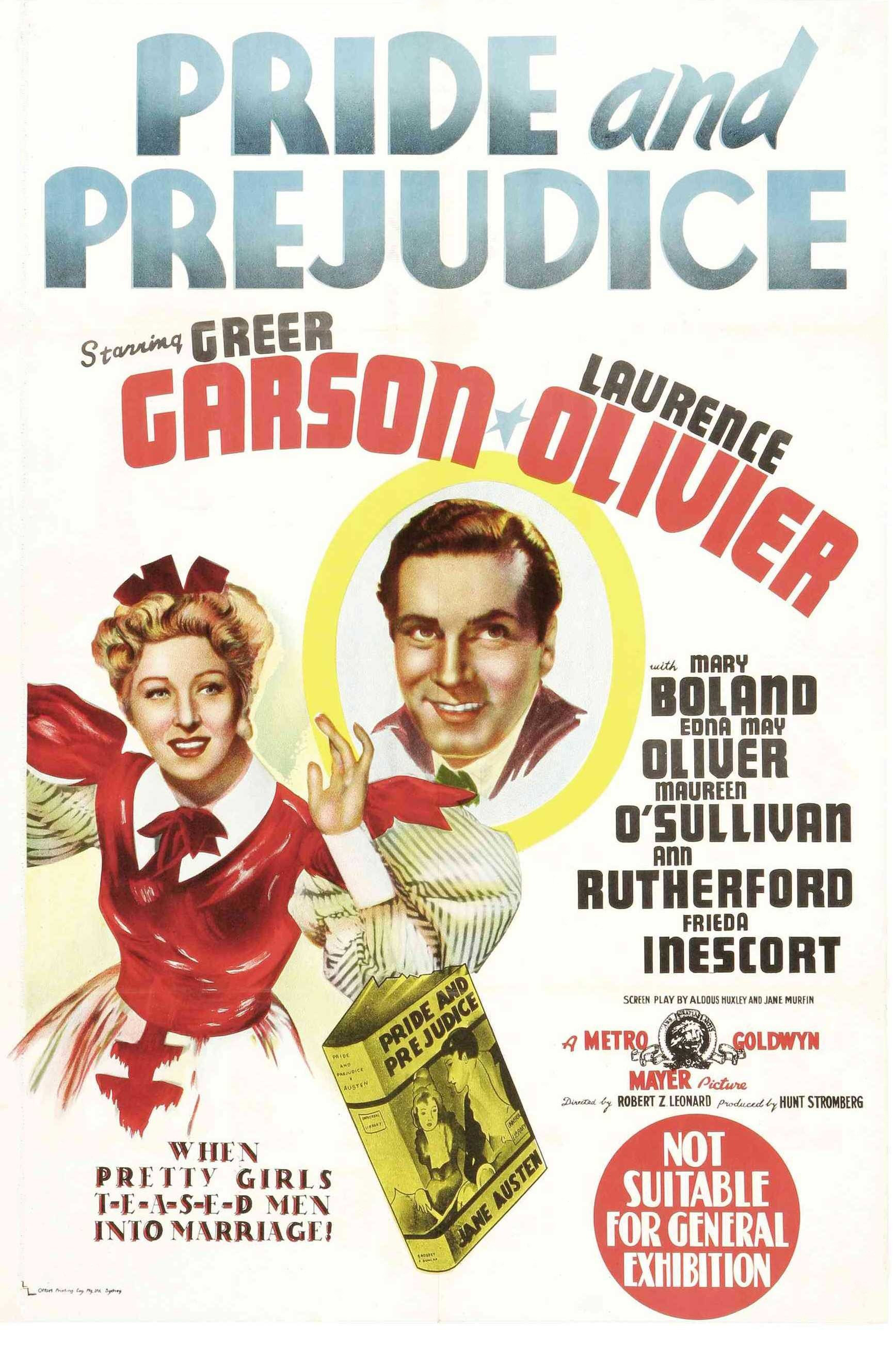
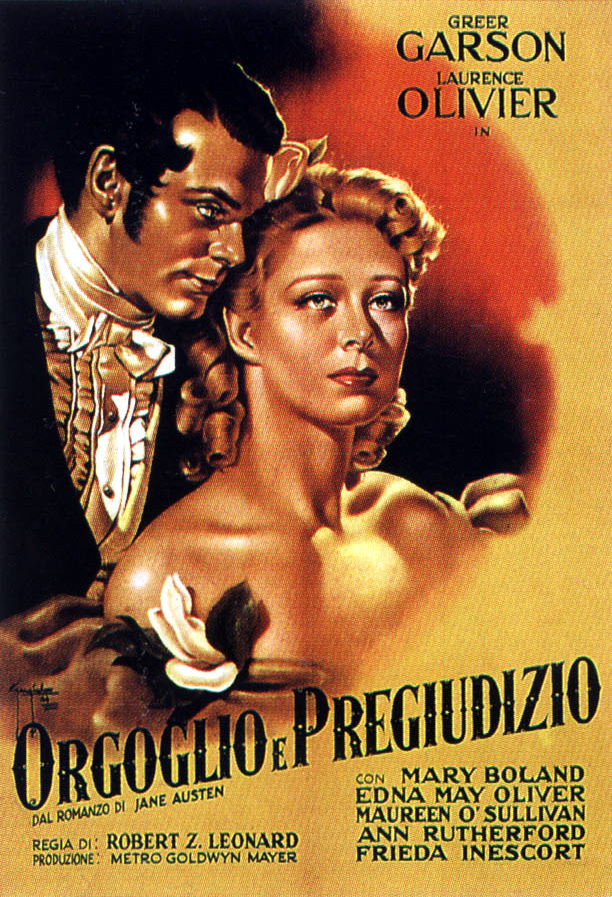
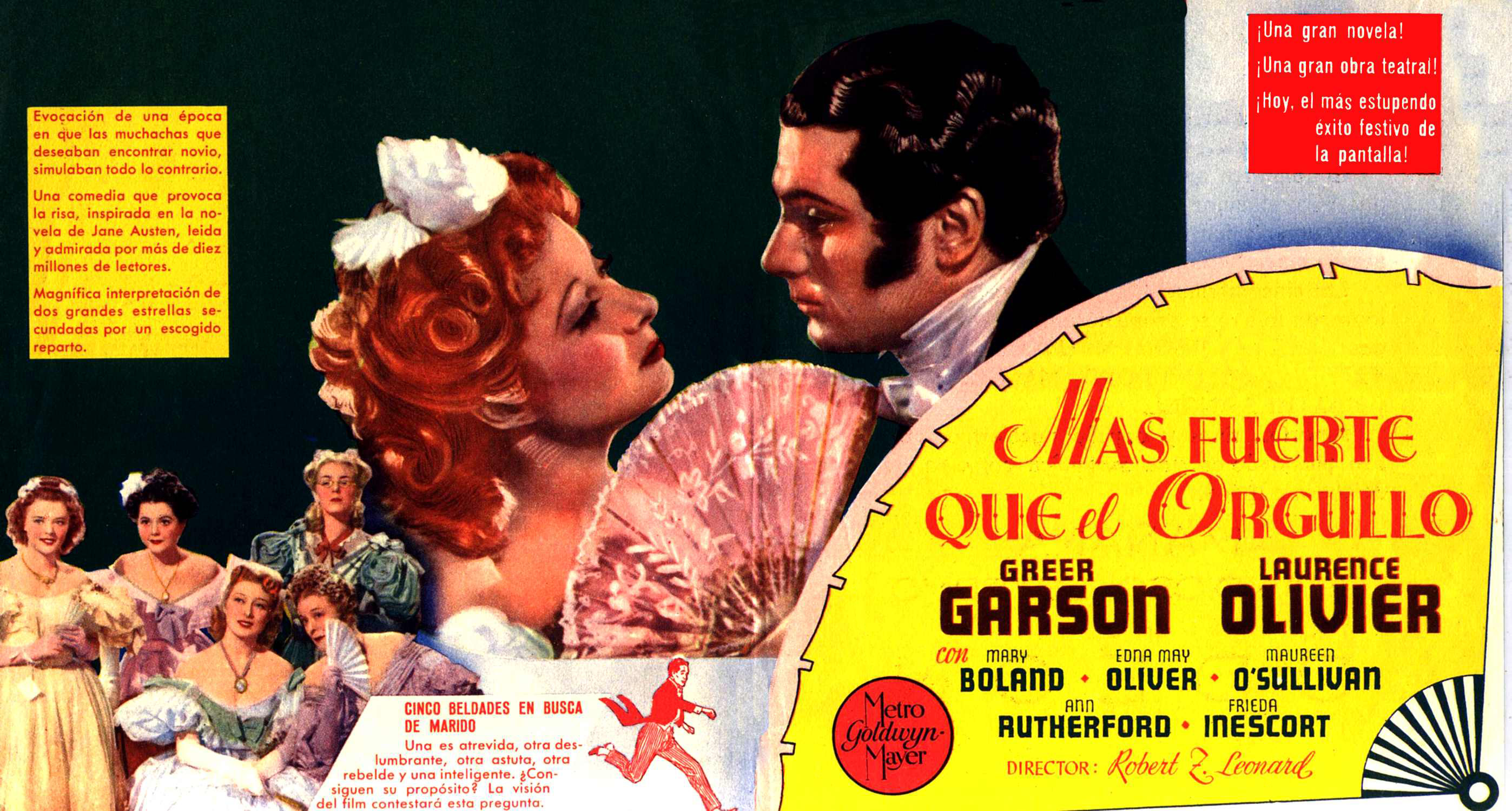
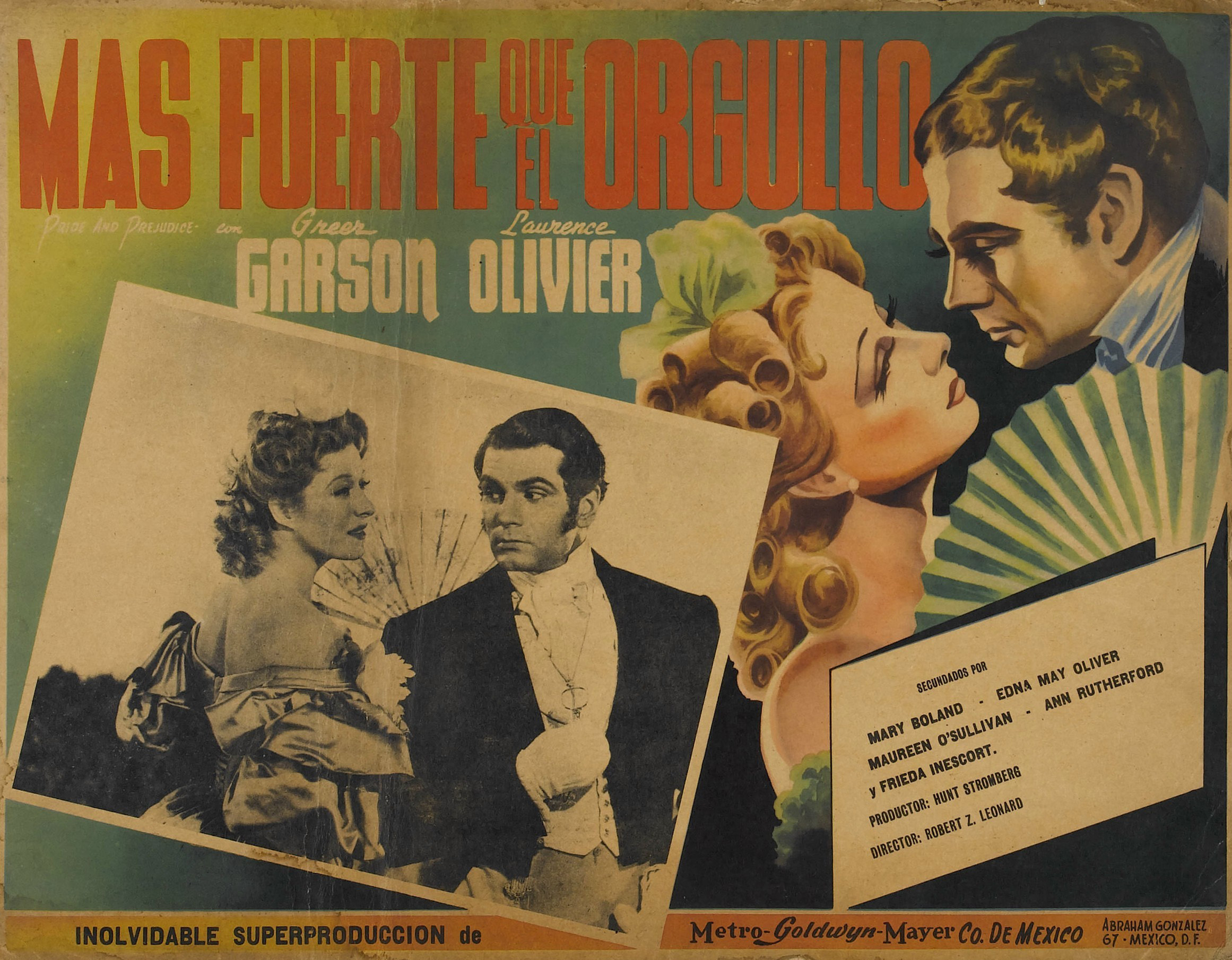
Poster artwork courtesy of Dieter


Click thumbnails for larger images